

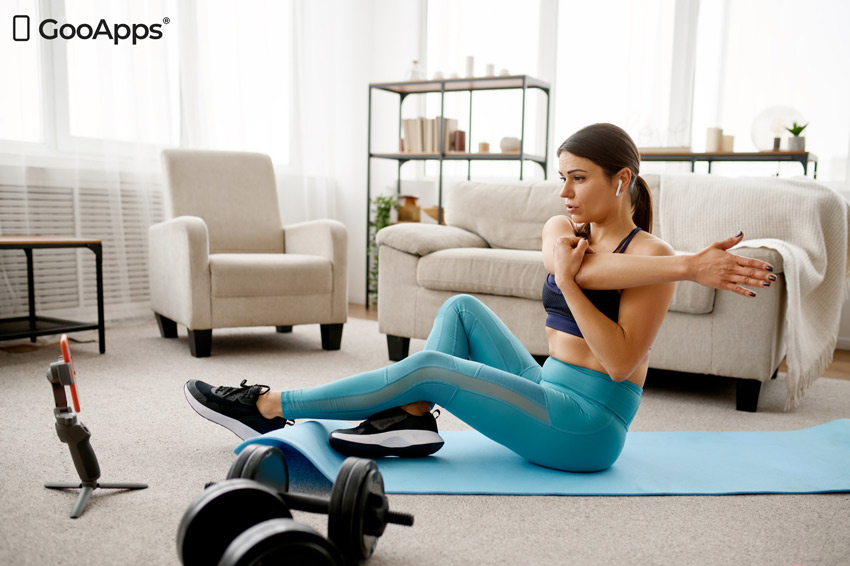
In recent years, fitness apps have gone from being a complement for athletes to becoming a type of application used by millions of people who want to take care of their health and improve their physical condition. Whether to follow routines at home, monitor outdoor runs, or keep track of nutrition, a workout app is now present on almost every smartphone.
The COVID-19 pandemic accelerated this phenomenon. With gyms closed and limitations on group training, the public sought digital alternatives. The result was unprecedented growth in the digital fitness sector. According to recent data, the global revenue of the fitness apps market went from 3.5 billion dollars in 2020 to 10.59 billion in 2024, and it is estimated to reach 23.21 billion in 2030. In addition, the number of users continues to increase, with a forecast of 90 million in the United States alone for this year.
Launching a fitness app in 2025 means entering a booming industry, where it is possible to create proposals with a high impact and profitability. Among the benefits are:
Now then, the question to ask is, what is needed for a workout app to stand out in such a competitive market?
The reality is that it requires a combination of many factors, such as relevant functionalities, a carefully crafted user experience, and well-planned development. In this guide we will go step by step through everything you need to take into account to achieve it.
The fitness apps sector is experiencing its best moment. What began as a complement for athletes or support for those who wanted to improve their health has transformed into a true digital industry.
Remote training post-COVID
The pandemic forever changed the way we train. Many users have replaced the gym with home or outdoor sessions, guided by videos or streaming classes. This change has opened the door to workout apps that offer personalized routines and even real-time virtual trainers.
Integration with wearables and smartwatches
The wearable devices market continues to grow and, with it, the demand for fitness apps capable of syncing with smartwatches and activity trackers. The goal is none other than to record our data in real time—such as heart rate, calories, steps, or sleep—and improve the tracking experience.
Social content and gamification
The social component has become a driver of loyalty. Competing with friends, sharing achievements, or participating in weekly challenges motivates the user and increases retention. Gamification, through medals, levels, or rewards, is already a key feature to maintain long-term interest.
5G and improvements in streaming
The arrival of 5G enables much smoother video transmission, ideal for live classes or high-quality content without interruptions. This opens the door to immersive training and experiences closer to those of a physical gym.
In this scenario, several applications have positioned themselves as global benchmarks.
Although its focus is on meditation and wellness, Calm has managed to win over millions of users. It includes stretching and relaxation sessions, demonstrating that holistic wellness is part of the fitness world.
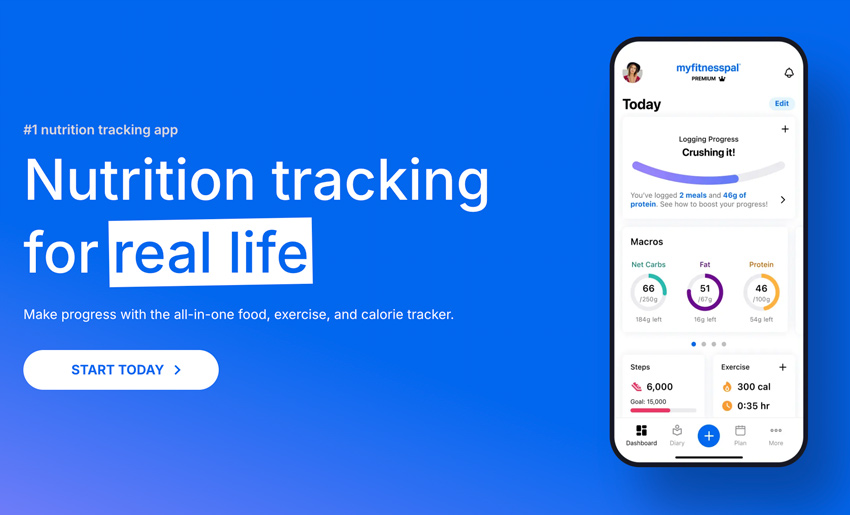
Image credits: myfitnesspal (all rights belong to myfitnesspal)
A classic that combines workout tracking with a powerful nutritional manager. Its food database is one of the most complete on the market, allowing it to offer personalized diet plans.
Backed by its line of wearables, it offers much more than just a step counter. Training plans, community, challenges, and sleep tracking make it a very complete workout app.
Specialized in live cycling and functional training classes, Peloton has created a hybrid experience that combines hardware (bikes, treadmills) and software (training subscription). In 2024, its subscription and hardware revenue reached 2.68 billion dollars.
The workout app created by Kayla Itsines offers training programs for women, with great success in specific niches. Its content and community strategy is a benchmark in fitness marketing.
The universe of fitness apps is very diverse, and each category responds to different needs. To define your value proposition and guide development toward a specific audience, it is essential to know these types.
Below, we are going to explore the most common classifications, starting with their functional approach.
Guided workout apps are designed to accompany the user throughout the entire exercise process, from planning the routine to executing each movement. They work like a personal trainer in your pocket, offering sessions designed for different goals, such as losing weight, gaining muscle mass, improving endurance, or maintaining an active lifestyle.
Features
These applications usually include videos or audios with instructions to follow the exercises, adapted to different difficulty levels. Many allow personalization of the routine according to available time, type of equipment, or user preferences. They also incorporate calendars and schedulers to structure workouts throughout the week, as well as detailed information about each exercise, such as execution time or required equipment.
Popular examples
A success story is SWEAT, which has built a global community by offering specific training programs for women. Another example is Nike Training Club, which combines strength, endurance, mobility, and yoga routines with professional trainers and plans tailored to different levels.
Advantages for the user
This type of app offers flexibility and convenience, allowing training at home, outdoors, or even in the gym, with the guidance of a structured plan. In addition, they are more affordable than a face-to-face personal trainer and facilitate progress by being able to adapt the level of demand to the user’s abilities.
Opportunities for the developer
There is a wide margin for innovation. Artificial intelligence can be incorporated to automatically adjust workout difficulty, or motion recognition can be used to provide real-time feedback on technique. Augmented reality is another interesting way to guide the user in the correct execution of exercises and make the experience more immersive.
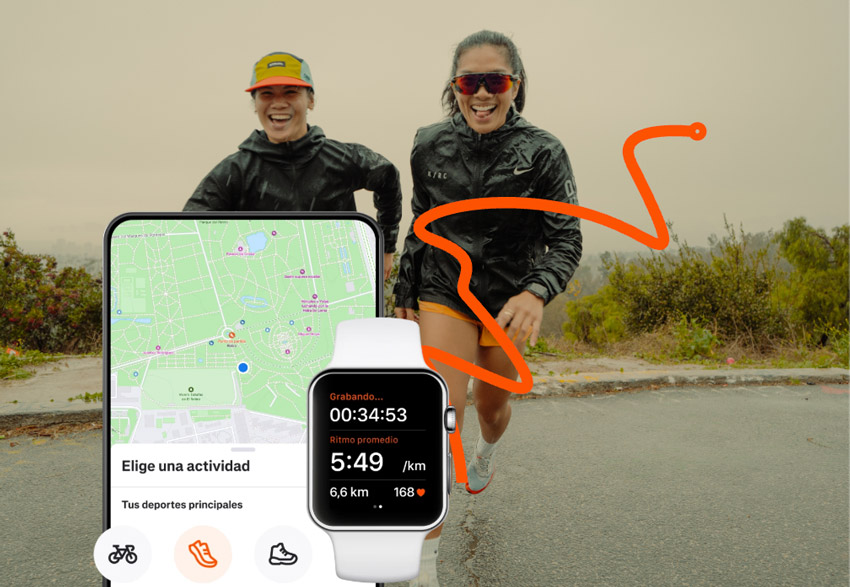
Image credits: Strava (all rights belong to Strava)
Workout apps focused on physical activity tracking are designed to record and analyze the user’s performance during workouts or daily activity. Unlike guided workout applications, their appeal lies in data collection and the presentation of metrics that allow progress to be evaluated and new goals to be set.
Features
These types of applications usually sync with sensors and devices such as Apple Watch, Fitbit, or Garmin, which makes it possible to obtain real-time information on steps taken, calories burned, heart rate, distance traveled, speed, and altitude. In disciplines such as running or cycling, they include maps and routes that show the path and highlight specific segments, such as zones of greatest effort or points where maximum speed was reached.
Popular examples
Among the most notable is Fitbit, which combines hardware and software to offer comprehensive health and exercise tracking. Another reference is Strava, which has built a global community of athletes who share routes, challenges, and achievements, fostering motivation through social interaction.
Advantages for the user
The user gains precise and personalized control of their physical performance. They can visualize their progress in graphs and statistics, which helps them stay motivated and adjust their routines to reach their goals. In addition, the option to share results and participate in virtual competitions adds a social component that encourages consistency.
Nutrition and meal plan apps are designed to help users manage their diet strategically, whether with the goal of losing weight, gaining muscle mass, or simply maintaining a balanced diet. In the context of a fitness app, they are usually the perfect complement to enhance workout results, since physical performance is closely linked to nutrition.
Features
These applications allow users to log their daily intake of food and drinks, calculate caloric intake, and track macronutrients such as proteins, carbohydrates, and fats. Many include extensive food databases, with the option to scan barcodes to speed up logging. They can also generate personalized meal plans based on the user’s goals and preferences, taking into account allergies, intolerances, or specific diets. Some even automatically adjust recommendations according to the calories burned during recorded workouts.
Popular examples
MyFitnessPal is one of the most recognized, thanks to its database of more than 11 million foods and its integration with devices and workout apps. Another reference is Lifesum, which combines nutritional tracking with diet plans adapted to different lifestyles, such as low-carb, vegan, or intermittent fasting diets.
Advantages for the user
The user can keep detailed control of their diet, which allows them to identify imbalances, correct unhealthy habits, and optimize physical performance. By integrating nutrition with workout data, a more complete view of progress toward set goals is obtained.
Opportunities for the developer
There is ample scope to integrate advanced features, such as artificial intelligence to generate dynamic menus or algorithms that combine nutrition and workout data to offer hyper-personalized recommendations. Another opportunity is to add interactive recipes and preparation videos, as well as integrate options for purchasing ingredients through online supermarkets.
Wellness and lifestyle apps expand the concept of fitness beyond physical training, addressing aspects such as sleep quality, stress management, meditation, or the development of healthy habits. These applications are based on the premise that holistic wellness, which encompasses physical, mental, and emotional health, is essential for optimal performance and a balanced life.
Features
This type of application can include guided meditation programs, breathing exercises, sleep pattern tracking, reminders to drink water or rest, and even plans to reduce stress and improve posture. Many integrate daily habit tracking features, with graphs that show progress and motivate consistency. In addition, some combine these functionalities with light workout routines, such as yoga or Pilates, which strengthen the mind-body connection.
Popular examples
Calm is a global reference in meditation and mindfulness, with guided sessions, sleep stories, and relaxing music. Another outstanding app is Headspace, which offers structured programs to improve focus, reduce anxiety, and foster self-care habits.
Advantages for the user
The user gains tools to take care not only of their physical condition but also their mental and emotional health. This translates into better rest, more energy, and a greater ability to maintain healthy habits in the long term. In addition, the flexibility to choose among different practices allows the use of the app to be adapted to personal needs and routines.
Opportunities for the developer
This segment has great potential to integrate immersive experiences, such as meditation sessions with virtual reality or 3D sounds. It is also feasible to incorporate algorithms that analyze sleep and stress patterns to recommend personalized workout or relaxation routines. Another differentiating point can be integration with sleep or daily activity monitoring devices, to offer comprehensive wellness tracking.

A workout app that aspires to stand out in such a competitive market must go beyond offering basic exercises. The real value lies in integrating features that personalize the experience, motivate the user, and help them achieve their goals efficiently. Let us see which are the most relevant characteristics and how they add value to the user.
The user profile is the core of any workout app, where information such as age, weight, height, activity level, goals, and training preferences is collected. With this data, the application can generate personalized plans that respond to each person’s specific needs.
Well-implemented personalization increases motivation and improves retention, as the user feels that the application “understands them” and adapts to their progress. In addition, including a section to record achievements, progress photos, or milestones reached adds an emotional component that strengthens loyalty.
The heart of a fitness app is its workouts. Offering structured plans and routines that adjust to the user’s level and availability is essential to ensure results. These plans should include variations depending on available time, equipment, and desired intensity.
In addition, the possibility of modifying or replacing exercises within a routine offers flexibility and avoids stagnation. The user can adapt to changes in schedule, temporary physical limitations, or simply vary to maintain motivation. Integrating a calendar and a workout history makes it possible to visualize progress and plan upcoming sessions with greater precision.
In a workout app that includes outdoor activities, maps and routes are a tool to measure performance and plan itineraries. Integrating geolocation makes it possible to accurately record distance, speed, pace, and altitude.
One of the most valued features by users is the ability to visualize the route once the workout is completed, identifying segments where they performed best or areas that require improvement. Some applications go further and incorporate real-time indicators, such as pace alerts or notifications about weather conditions, to optimize the user experience and safety.
Offering the option to save and share routes also adds a powerful social component, allowing the community to exchange routes and compete in challenges on the same circuit.
Notifications can make the difference between an active user and one who abandons the application. However, their success depends on being useful and not intrusive. A well-designed fitness app will send workout reminders at optimal times, adapted to the user’s routine, as well as motivational messages that reinforce consistency.
Beyond simple alerts, notifications can include quick actions, such as starting a workout directly or joining a live class. They can also inform users of achieved milestones, such as surpassing a personal record or reaching a streak of consecutive workouts, reinforcing engagement.
Allowing the user to configure what type of notifications they want to receive and how often is key to maintaining the balance between motivation and saturation. Here, personalization once again becomes a decisive factor for long-term retention.
Music is a powerful driver of physical performance, and that is why integrating audio options within a workout app can make a big difference in the user experience. The possibility of linking the app with services such as Spotify, Apple Music, or YouTube Music prevents the user from having to switch between applications, maintaining the training flow without interruptions.
An added value is offering pre-designed playlists for different types of workouts, as well as the option to adapt the tempo of the music to the heart rate or running speed. It is even possible to highlight the songs that coincided with the best performances, reinforcing the user’s emotional bond with the experience.
This type of integration improves motivation and increases the likelihood that the user will return to the app to train, as each session becomes a more complete and personalized experience.
In any workout app that aspires to offer a holistic health approach, nutrition plays a fundamental role. Integrating a meal plan and a calorie counting system allows the user to align their diet with their sports goals.
These features usually include food databases, the ability to scan barcodes to log products, automatic calculation of macronutrients, and recommendations tailored to daily energy needs. The most advanced applications even adjust the meal plan based on the calories burned during recorded workouts.
A well-designed calorie counter helps control intake and educates the user about the quality of the food they consume. The combination of workout and nutrition in a single platform increases the usefulness of the app and reinforces the perception of it being a complete tool for improving health.
A fitness app should not only guide workouts, it should also educate the user to understand the importance of each exercise, technique, or healthy habit. Educational content is a very powerful factor for loyalty, as it turns the application into a knowledge source.
This content can take multiple formats, such as articles and blogs with nutrition tips, explanatory videos on correct exercise execution, or motivational podcasts that the user can listen to during a workout or at any time of the day. The most effective approach is for this material to be directly related to the user experience in the app.
Constantly updating these resources ensures that the user always finds relevant material, preventing the app from becoming monotonous.
Streaming classes provide a differential value, as they replicate the feeling of being in a face-to-face session, with the energy and motivation transmitted by a live instructor. A workout app that offers this function can include high-intensity sessions, yoga, Pilates, indoor cycling, or functional training, all accessible from home or the gym.
The key is to offer a smooth, high-quality experience, something that is now more feasible thanks to 5G and the latest video compression systems. Allowing real-time interaction with the trainer or other participants increases involvement and the sense of community, which directly impacts app loyalty.
Integration with external devices and services expands the capabilities of any workout app. Syncing data with wearables such as Apple Watch, Garmin, or Fitbit, or with platforms like Google Fit and Samsung Health, allows for a more complete record of the user’s physical activity and health.
This includes information on heart rate, sleep quality, daily steps, calories burned, and other key indicators. By combining this data with the workouts logged in the app, a more accurate picture of the user’s physical condition and progress is generated.
In addition, integration with other services can automate tasks, such as importing the results of a smartwatch session directly into the app’s history, or automatically adjusting daily goals based on the activity recorded on other devices. This interoperability enriches the experience, reinforcing the perception of the application as an essential tool in the user’s health and fitness ecosystem.
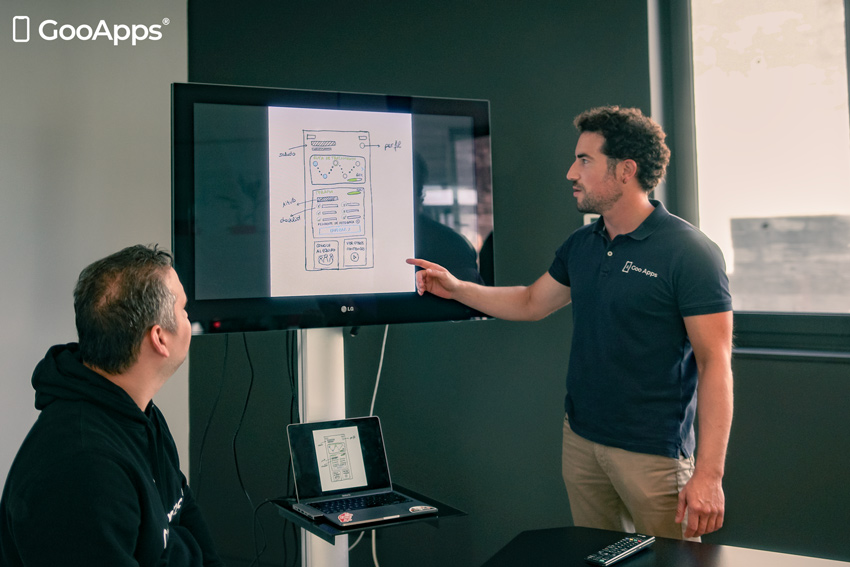
Eric García, CEO of GooApps®
Launching a workout app successfully requires following an orderly and strategic process. It is not enough to have a good idea. You need to research, design, develop, test, and continuously improve. Let us see what the phases of the process are.
The first step is to understand the market you want to enter. This involves identifying who the app is aimed at, what specific needs this audience has, and what existing solutions already try to address them. Analyzing the competition is essential to detect opportunities, because there may be an underserved segment or a missing feature in current apps that could become your competitive advantage.
The choice of platforms is another important decision at this stage. You will need to decide between iOS and Android, but also evaluate whether the app will be available on tablets, smartwatches, or even smart TVs. This analysis must take into account the usage behavior of the target audience. For example, a user who trains at home may prefer to follow routines from a tablet or a Smart TV, while a regular runner will need access from their smartwatch.
Once the concept is defined, it is time to shape it through a prototype. This is a functional, although not final, model that allows you to visualize what the application will look like, test its usability, and detect problems before investing in full development. Initially, you can work with a low-fidelity prototype, which shows the general structure and basic navigation.
Later, a high-fidelity prototype is created that includes the visual design and the most relevant interactions. It is essential to subject this prototype to testing with real users from the target audience. Listening to their feedback and observing how they interact with the app provides highly valuable information to optimize the experience before moving on to programming. This approach allows you to improve usability and reduce the risk of having to make costlier changes later.
Choosing the right technology will define the scope and budget. It will also determine timelines and the quality of the experience. It is not a minor decision.
When to opt for native development?
Choose native if you need maximum performance and full access to hardware. Swift for iOS and Kotlin/Java for Android offer deep integration with sensors, Bluetooth, and advanced graphics. It is the path with the most control, but also the most expensive in terms of time and team.
When to choose a cross-platform framework?
If your priority is to launch quickly on iOS and Android, consider React Native or Flutter, since they allow much of the code to be reused. They also reduce costs and speed up iteration. They are ideal for a workout app with a standard UI, API synchronization, and 2D graphics.
Does a web app make sense?
A web app may be suitable if you are starting from a website and want to validate the market with a limited budget. It is useful for content, blogs, on-demand classes, and habit tracking. It is not the best choice if you depend on sensors, BLE, or deep system integrations.
And no-code platforms?
This option makes it possible to speed up a very basic MVP and is valid for testing a value proposition within weeks. However, they have strong limitations in performance, customization, and scalability.
Do you have doubts about this section? You can check out our article, where we specifically address the choice of what type of app is most suitable according to your needs. 👇

With the stack defined, it is time to build with rhythm and rigor. Iterate in short sprints. Deliver value in every cycle. Measure. Improve.
How to organize development without surprises?
Plan by value verticals: onboarding, profile and personalization, routines, tracking, notifications, payments, analytics. Deliver each vertical “end to end.” This way you validate the real flow and reduce technical debt. Integrate critical third parties early: health, music, maps, and payments.
Quality: test more and earlier
Combine peer code reviews with unit and integration tests. Automate testing on real devices and emulators. Use stability tools such as Sentry or Crashlytics to capture failures in production. Add performance testing on screens with video, maps, and long lists. Prioritize smooth experience. Users will abandon the app if the UI is not 100% robust.
Security and compliance, without friction
For a workout app, HIPAA usually does not apply if you do not handle users’ protected health information. Even so, protect credentials and sensitive data. Enable social login and biometrics (Face ID or Touch ID) to balance security and experience. Encrypt in transit and at rest. Minimize collected data. Explain permissions with clear and visual messages.
Observability and data for decision making
Integrate analytics from the first iteration. Measure activation, recurrence, conversion to paid, and retention by cohort. Track workout funnels: start, mid-session, and end. Detect friction points with event maps. Product decisions should come from data, not intuition.
Testing with users in parallel
Do not wait until the end. Show the prototype to a group of testers aligned with your audience. Ask them to actually train with the app for a week. Observe pauses between sets, reading instructions, and real use. Adjust texts, sizes, contrasts, and rest times based on what you observe. That reality is gold.
Recipes to optimize costs without losing quality
Reuse components for barcode scanners, charts, food catalogs, and players. Avoid reinventing maps or streaming. If applicable, rely on React Native or a web app to validate. Invest heavily only in what differentiates you: recommendation engine, AI, or proprietary audiovisual experience.
Publishing the application in the stores is not the end of the road, but rather the beginning of its life cycle. The launch must be accompanied by a strategy to attract users from day one. This involves optimizing the store listing (ASO), defining initial marketing campaigns, and preparing a base of content or routines that allow the user to experience value from the first session.
Once available to the public, the focus must shift to constant monitoring. Usage metrics, retention rate, reviews, and comments are key indicators to understand how users perceive the workout app. Continuously analyzing this data makes it possible to make informed decisions about which features to strengthen, which issues to fix, and which new opportunities to explore.
Evolutionary maintenance is what ensures the long-term relevance of the application. This is not limited to fixing errors but involves adding new features, improving performance, updating the interface according to design trends, and adapting the app to changes in operating systems or compatible devices. The most successful workout apps evolve constantly, listening to their community and adapting to their needs.
Finally, you must maintain active communication with users. Notifying them of new features, asking for their feedback, and showing that their suggestions are implemented in updates generates a sense of belonging. That relationship, together with continuous improvement, is what turns a good app into one that is indispensable in the users’ daily routines.

The budget to develop a workout app can vary enormously depending on the complexity of the project, the technological approach, and the scope of the features. It is not the same to build an MVP with the basics to validate an idea as it is to develop a complete app ready to compete with market leaders such as MyFitnessPal or Fitbit.
In general terms, the cost of an MVP, with basic features such as user registration, basic routines, manual workout tracking, and a progress dashboard, can be around 30,000 euros. This type of initial version is useful to test the product’s viability, gather feedback, and decide on the next investments.
When we talk about a complete version, with advanced features such as integration with wearables, live class streaming, artificial intelligence for personalization, real-time tracking, and support for multiple platforms (mobile, smartwatch, tablet, TV), the investment can range between 80,000 and more than 120,000 euros. This range includes design, development, integration with external APIs, testing, launch, and an initial maintenance period.
It is important to keep in mind that development for several devices implies separate applications or specific adaptations. For example, if in addition to the mobile app you also want to offer support on Apple Watch, Apple TV, or desktop browsers, each platform will require additional work that will increase the cost.
The main factors influencing the budget are:
Investing in a workout app should not be seen as a one-time expense, since it is a continuous process. A digital product of this type requires periodic updates to remain competitive and keep its users active.

A workout app can generate revenue in different ways, but the key is to choose a model that does not compromise the user experience and that fits the value proposition.
The subscription system is the most widely used by leading applications on the market, such as Calm, MyFitnessPal, or SWEAT. It offers full access to workouts, personalized programs, advanced statistics, and other premium features in exchange for a recurring payment (monthly, quarterly, or yearly). This model allows for predictable and scalable revenue, as well as fostering loyalty, since the user perceives continuous value.
One piece of advice is to start subscriptions outside app stores whenever possible, to avoid the 30% commissions charged by Apple and Google.
One-time purchases within the app work well to unlock specific programs, exclusive routines, or special challenges. It is a flexible model that does not require a long-term commitment from the user and that can be complemented with subscriptions to offer additional premium content.
If the brand also offers physical products such as sports equipment, clothing, supplements, or accessories, integrating e-commerce can become an extra source of income. This approach is especially useful for fitness apps linked to sports brands, studios, or personal trainers who already have their own catalog.
Advertising can monetize users who do not want to pay for premium content, but it must be applied with caution. Intrusive ads or ads that interrupt the workout generate rejection. A format that works well is offering short ads between routines or as part of a freemium model, where the subscription eliminates all advertising.

GooApps® Team
We are living in a time when sports, wellness, and health have become daily priorities for millions of people. Workout apps are virtual trainers, active communities, and constant sources of motivation. But for them to really work, they have to go far beyond simply showing exercises.
The real difference is made by applications that combine technology, relevant content, and an engaging user experience. Those that integrate real-time data from wearables, personalize routines with artificial intelligence, offer seamless streaming classes, and keep the user motivated day after day.
At GooApps®, we have been developing tailor-made digital solutions for the health, sports, and wellness sector for years. We know how to transform an idea into a workout app that is robust, scalable, and with great potential for loyalty, as we have already done with clients such as Programa DOCE. From initial research to launch and growth, our team designs and builds applications that exceed user expectations.
If you have an idea for a fitness app or want to take your current project to the next level, now is the time to turn it into a tool that makes a difference.
Get in touch with us and let us start developing together the next app that motivates, trains, and connects thousands of people.

Complete the form and GooApps® will help you find the best solution for your organization. We will contact you very soon!


 +34 656 828 020
 Schedule an online meeting