

More than 1,000 hours of training, research, and development to apply artificial intelligence with judgment, ethics, and measurable results.
“AI can accelerate processes, but what truly matters is understanding what it does, why it does it, and for whom it does it.”
In 2025, at GooApps®, we decided to take artificial intelligence applied to digital products seriously. Not as a trend. Not as a shortcut to produce more without thinking. But as an opportunity to build better-designed, more useful, and more human technology.
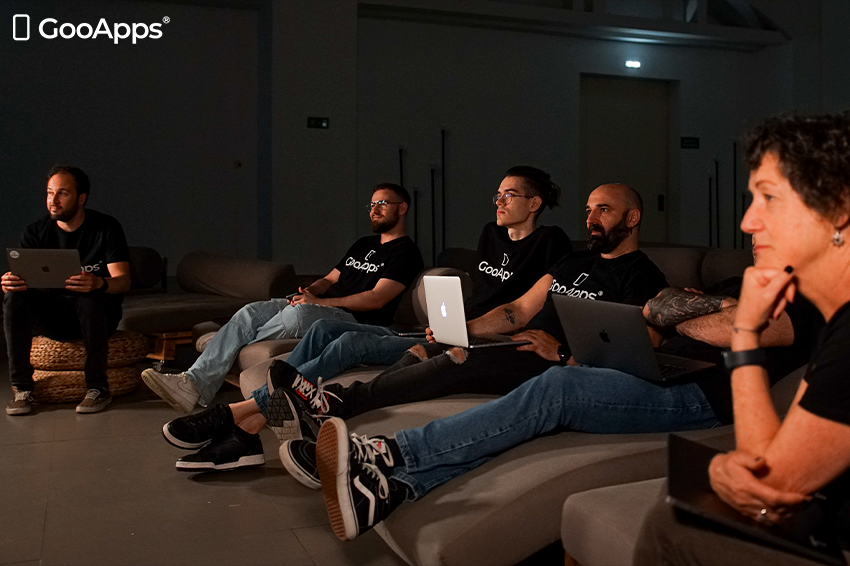
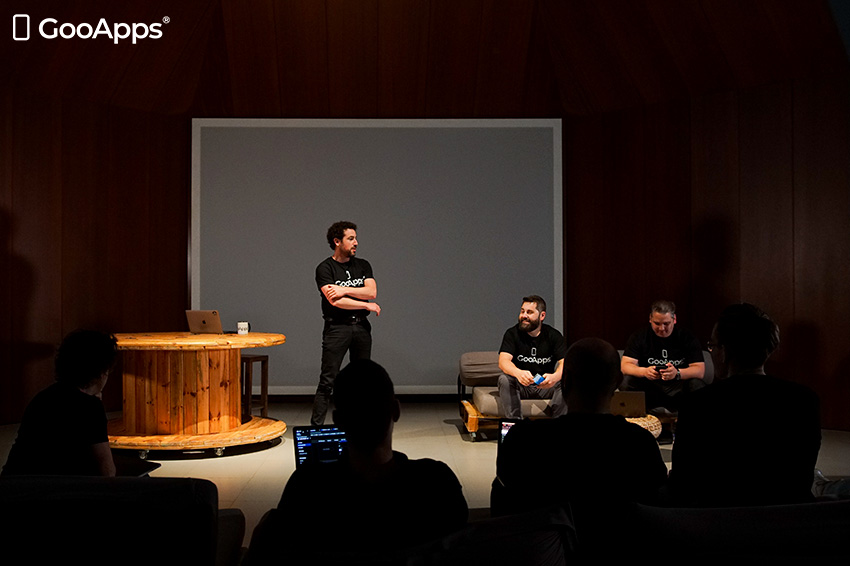
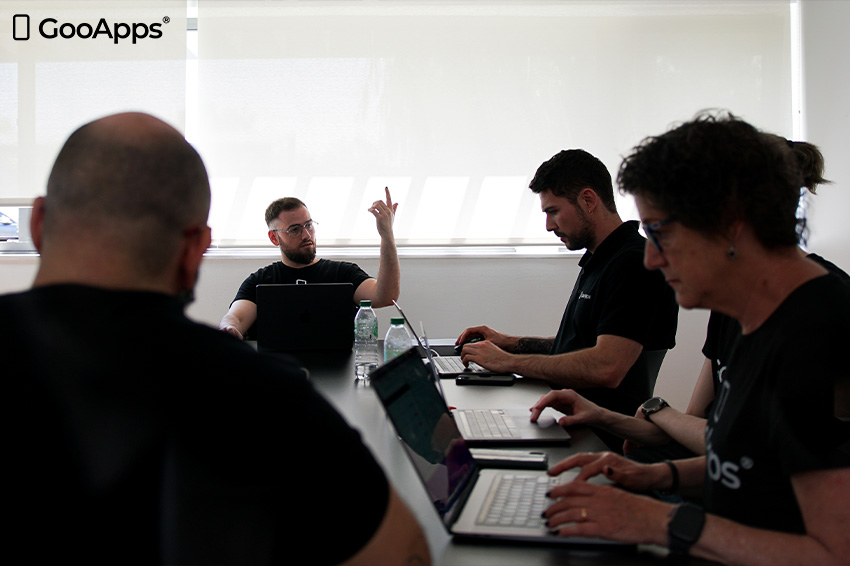
Throughout the year, we invested over 1,000 hours in training, research, and hands-on AI development. The objective was clear: learn how to apply AI with ethics, judgment, and responsibility—understanding every part of the process and its impact on the people who ultimately use our products.
This article summarizes that journey: what we learned, how we structured it, and what truly changed in the way we design, develop, and ensure quality.
AI has become a daily tool: assistants, search engines, health apps, sports platforms, productivity tools. It is also transforming software development.
But the more accessible it becomes, the easier it is to make a dangerous mistake: using AI without understanding it.
At GooApps®, we started from a simple principle: AI can make us more efficient. But it can also introduce errors, bias, or opaque decisions if not properly validated.
The core idea that guided the entire plan was this:
AI is not magic. If we use it, we must be able to explain it, test it, and take responsibility for its outcomes.
Learning AI does not mean collecting concepts. It means turning knowledge into real improvements. That is why we combined training, research, and applied development, ensuring that every learning translated into concrete changes in our daily work.
The plan was cross-functional and involved three key areas:
Throughout the process, we maintained a constant principle: AI must be understandable, verifiable, and accountable. If we cannot explain what is happening or how it is validated, it is not progress. It is risk.
We structured the plan into three levels. Not as a hierarchy of knowledge, but as an adaptation to different responsibilities within the team.
Everyone needed to understand what AI is, what it can do, and what its risks are.
Key learnings:
This changed something essential: AI stopped being “a specialist topic” and became a shared language across the team.
The focus here was integrating AI into digital products safely and meaningfully.
Key learnings:
We learned something critical: AI does not replace team judgment. It amplifies it—or distorts it—depending on how it is used.
At the advanced level, we strengthened internal capacity to lead demanding AI projects.
Key learnings:
The outcome was not just technical capability, but strategic responsibility.
If one principle defined this plan, it was a clear conviction: AI must be applied ethically and responsibly.
That means understanding each stage:
At GooApps®, we are committed to ensuring that AI:
| Key Question | Why It Matters |
|---|---|
| What human problem are we solving? | Prevents using AI as a trend |
| What data is involved and what privacy risks exist? | Protects the end user |
| What can go wrong (errors, bias, false certainty)? | Anticipates negative impact |
| How do we validate it (QA, metrics, testing, review)? | Reinforces quality and control |
| What control does the user have and how do they understand it? | Ensures transparency |
| What do we do if the model fails? | Maintains operational responsibility |
| Can we clearly explain the result? | Enables accountability |
This checklist is not theoretical. It is a real tool we use before integrating AI into any product.
To prevent this plan from becoming just a strategic document, we introduced a cross-functional internal reflection exercise.
Internal instructions:
Each person contributed an 80–120 word text following this structure:
This exercise grounded training in real experiences across development, product, and QA, reinforcing a shared culture of responsibility in AI usage.
Training in AI was not an isolated internal exercise. It was a direct investment in improving what we deliver.
In practice, this translates into:
Well-applied AI should not feel like a trend. It should feel like a better experience.
This was not a one-off initiative. It was a strategic commitment to making AI a real internal capability at GooApps®.
We aimed to:
In short: learn AI in order to build more useful technology for people—with greater judgment and control.
In 2026, we will continue with the same approach: learn, apply, measure, and improve.
Our commitment is not to “do AI.”
It is to build useful, safe, human-centered technology—using AI when it truly adds value.
AI may change how we work, but it should never change why we work. We continue building by and for people.
Because using AI without understanding its risks can introduce bias, errors, or opaque decisions. Training enables responsible, validated, and accountable implementation.
It means understanding which data was used, which rules were applied, and how the result was validated. If it cannot be explained, accountability is impossible.
Through QA validation, measurable metrics, human review, and defined controls before deployment.
It creates a shared language, improves collaboration across roles, and reduces reliance on isolated profiles.
No. It amplifies capabilities, but judgment, validation, and responsibility remain human.
Complete the form and GooApps® will help you find the best solution for your organization. We will contact you very soon!


 +34 656 828 020
 Schedule an online meeting